The low-carbon development path of the dairy industry may well be an inevitable one. As stipulated in Article 5 of the Regulations on Carbon Emissions Trading, the categories and industry scope of greenhouse gases covered by the national carbon emissions trading system will be determined in accordance with the national greenhouse gas emission control targets. There is a considerable possibility that the dairy industry will be included. According to a report released by the World Resources Institute in 2020, agriculture accounts for 18.4% of global carbon emissions, with livestock production and manure emissions accounting for 31.5% of agricultural emissions, equivalent to 5.8% of total global emissions. Ruminants, due to their rumen fermentation, produce more greenhouse gases than monogastric animals such as pigs and poultry. Data shows that a high-yielding dairy cow produces annual greenhouse gas emissions comparable to those of a small car. At the same time, cow manure is also a significant source of water pollution
In recent years, the livestock industry has achieved rapid development through technological innovation and transformation. Advanced technologies such as information technology, biotechnology, big data, the Internet, and artificial intelligence have facilitated the integration of the livestock industry and driven its evolution toward informatization, digitalization, and intelligence. The goal of low-carbon emission reduction in the livestock sector is a systematic, long-term, and complex endeavor that requires coordinated efforts from the government, research institutions, and enterprises to address the challenges
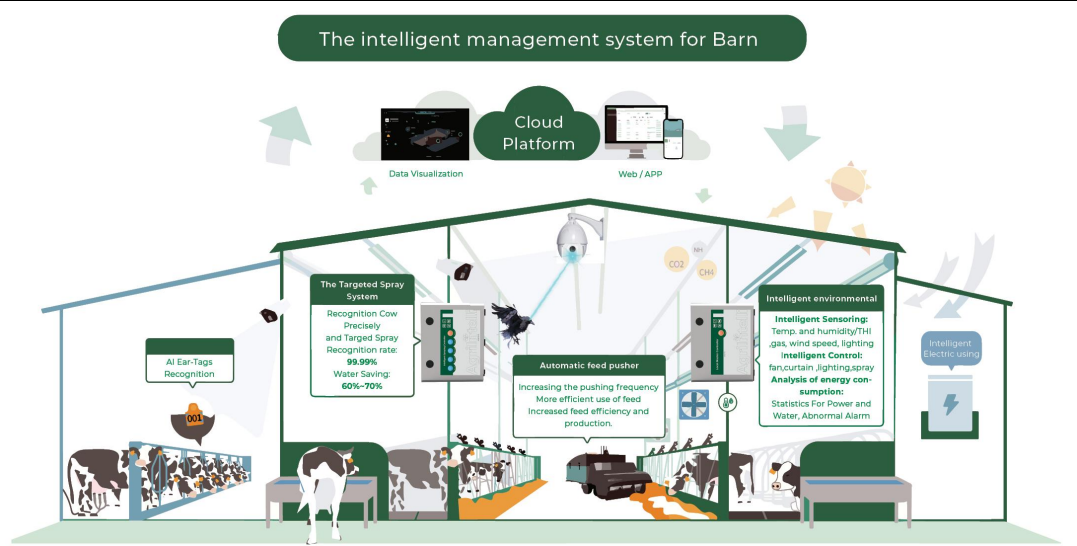
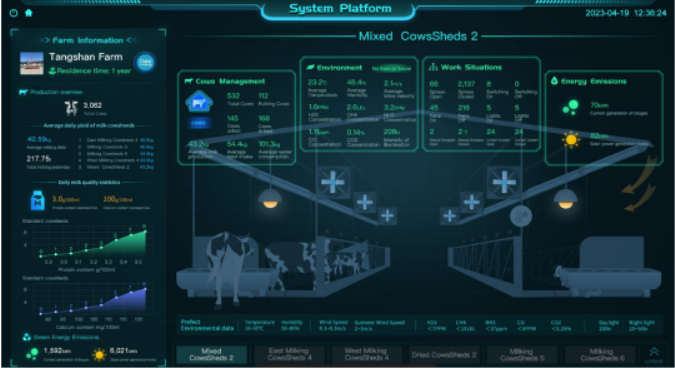
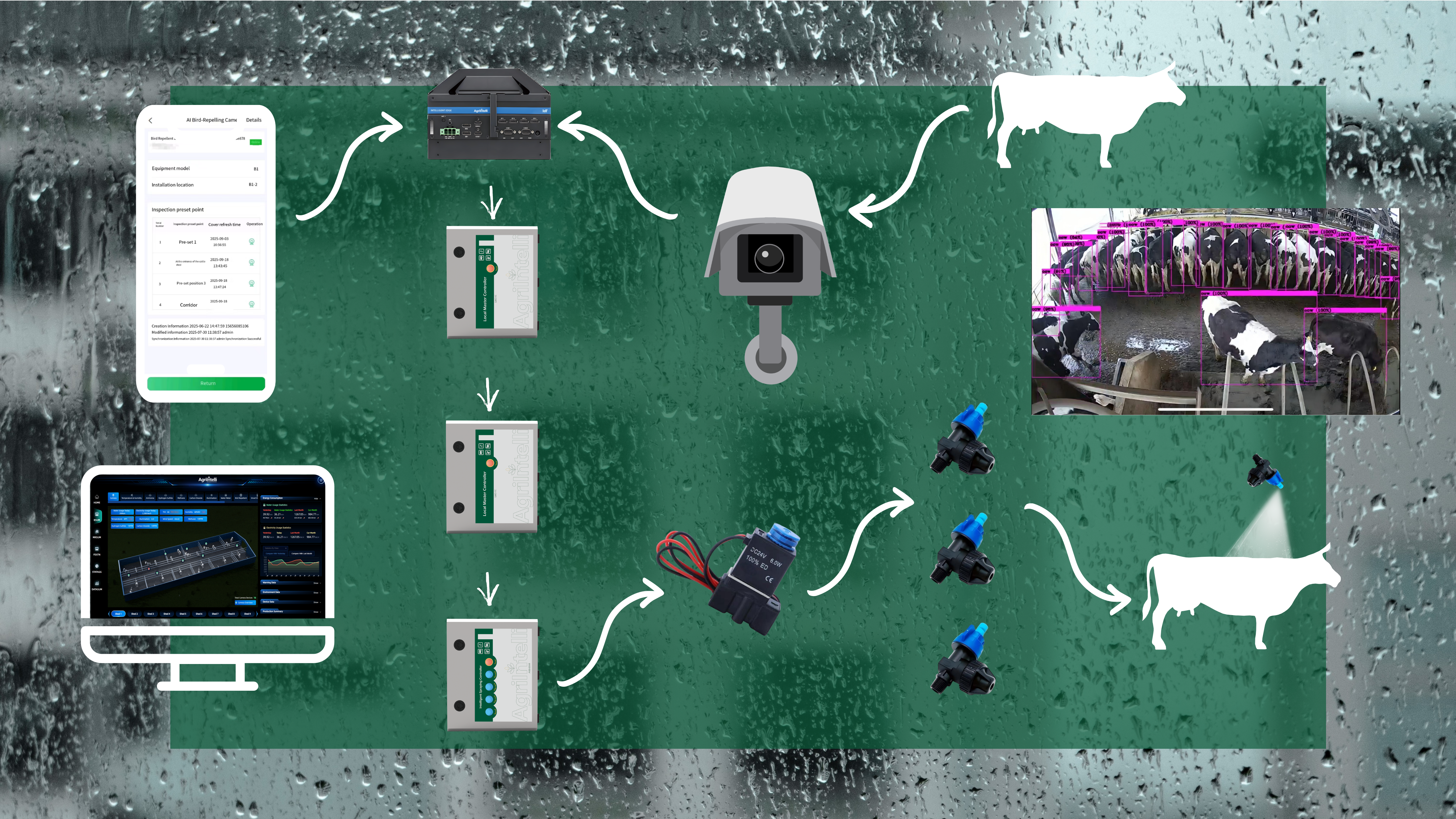
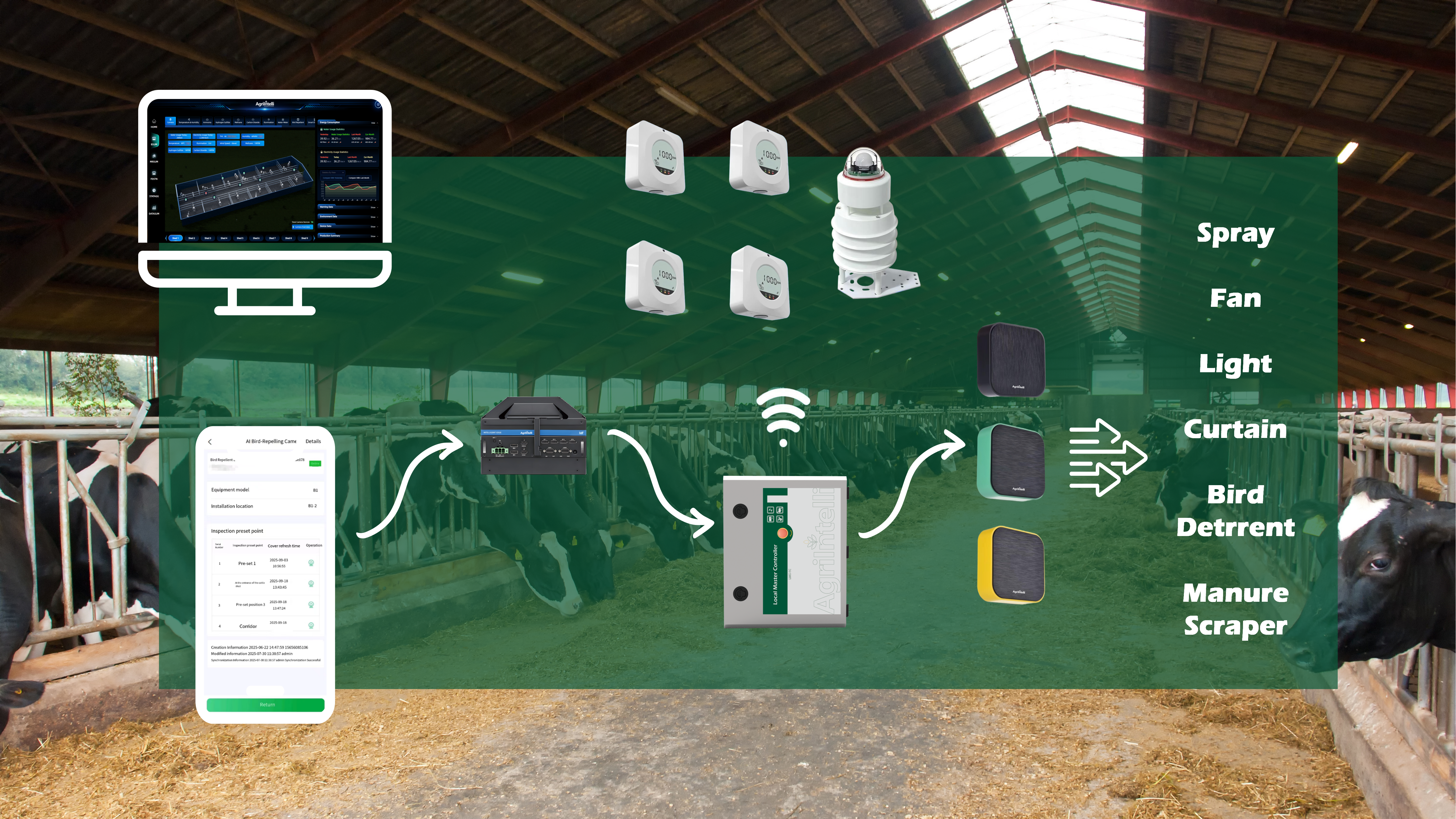
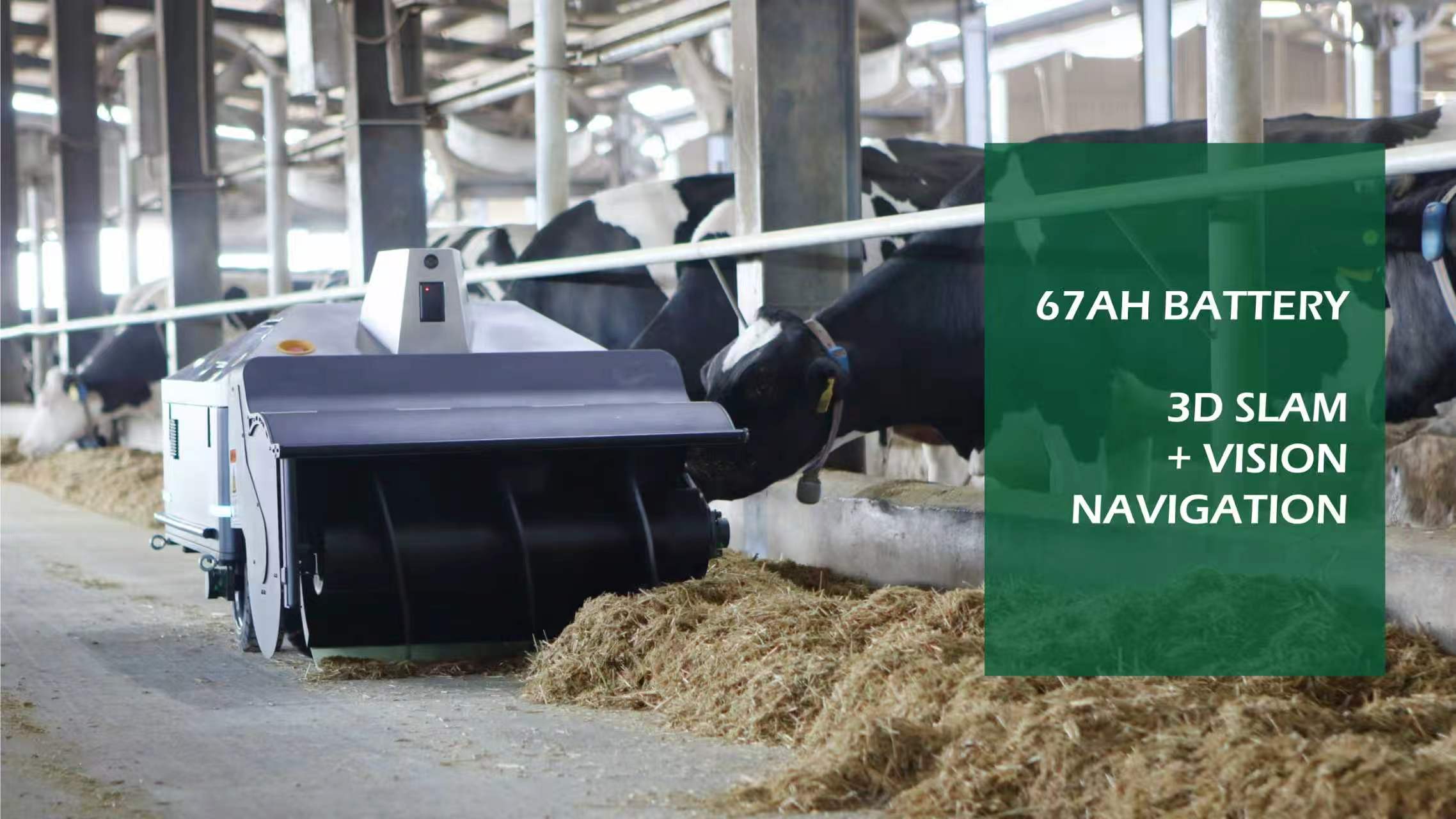
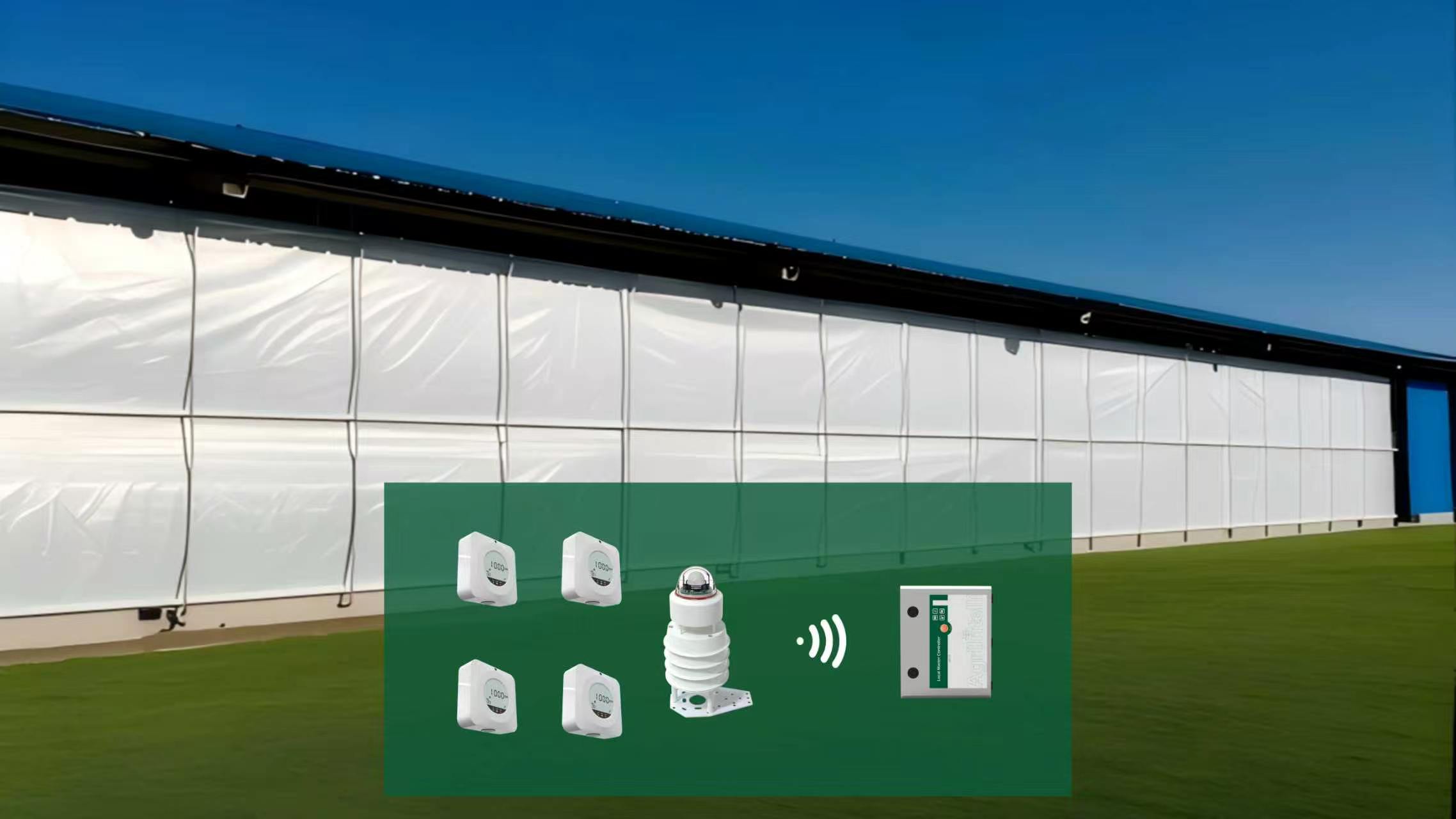
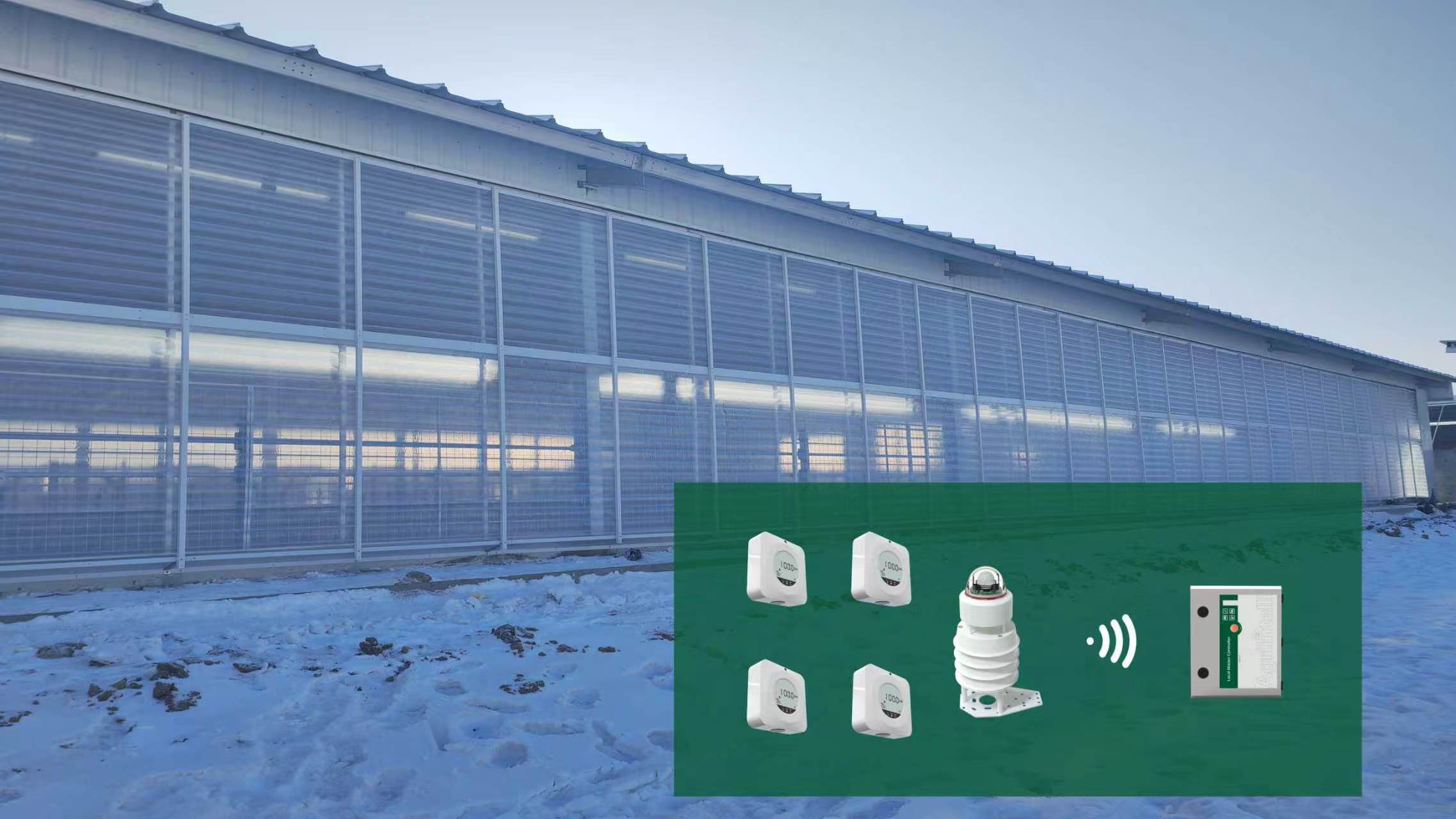
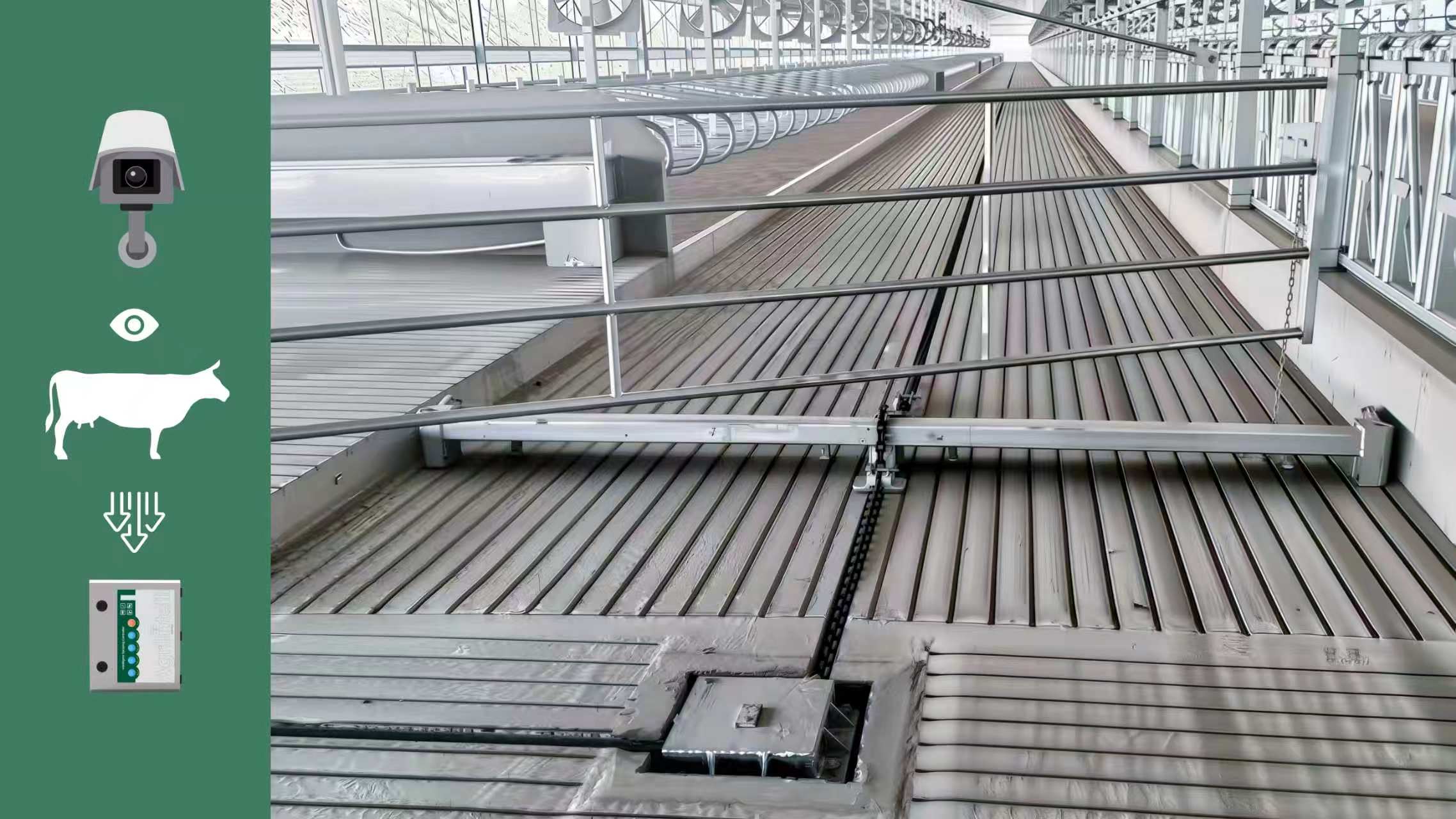
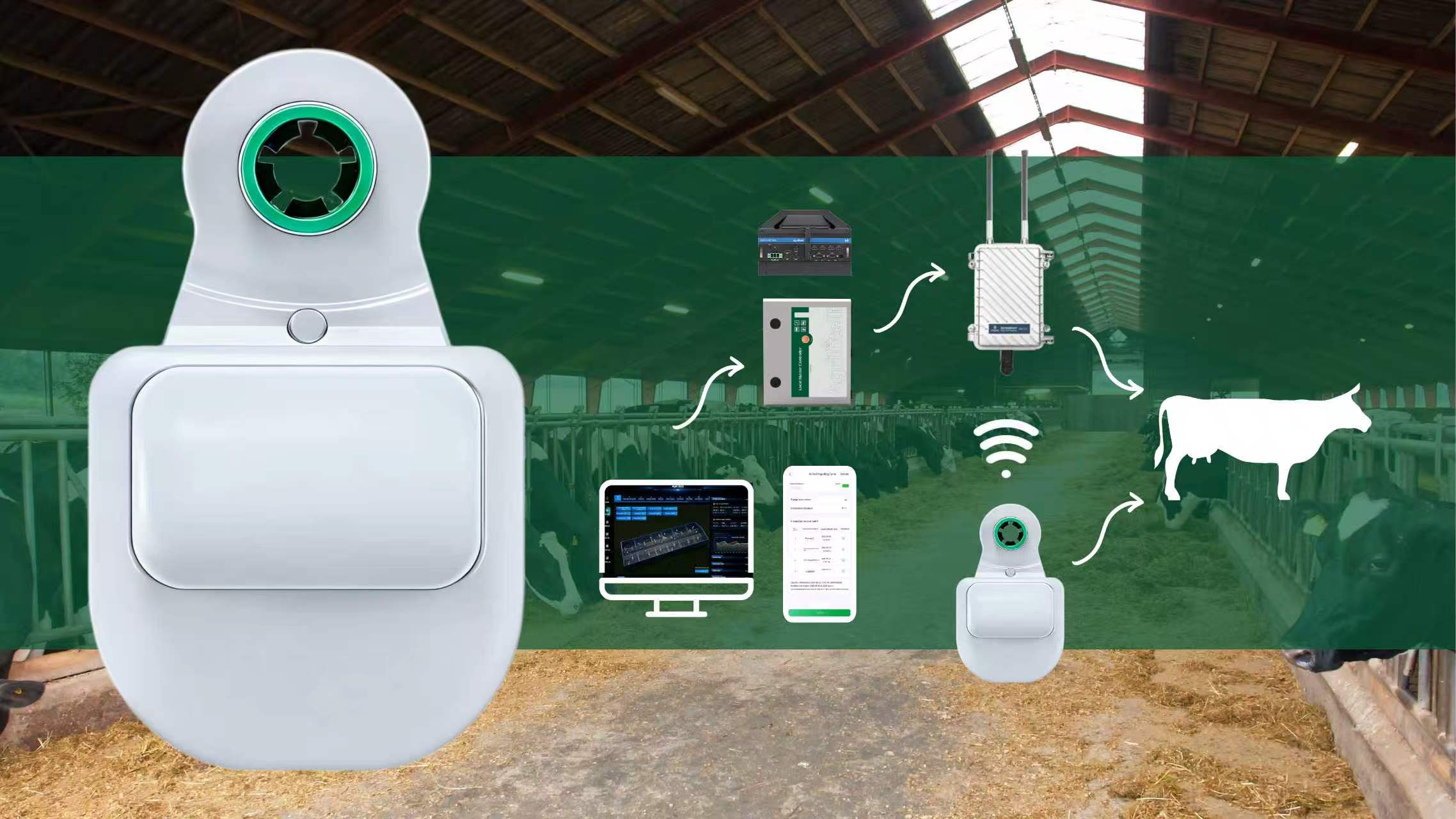
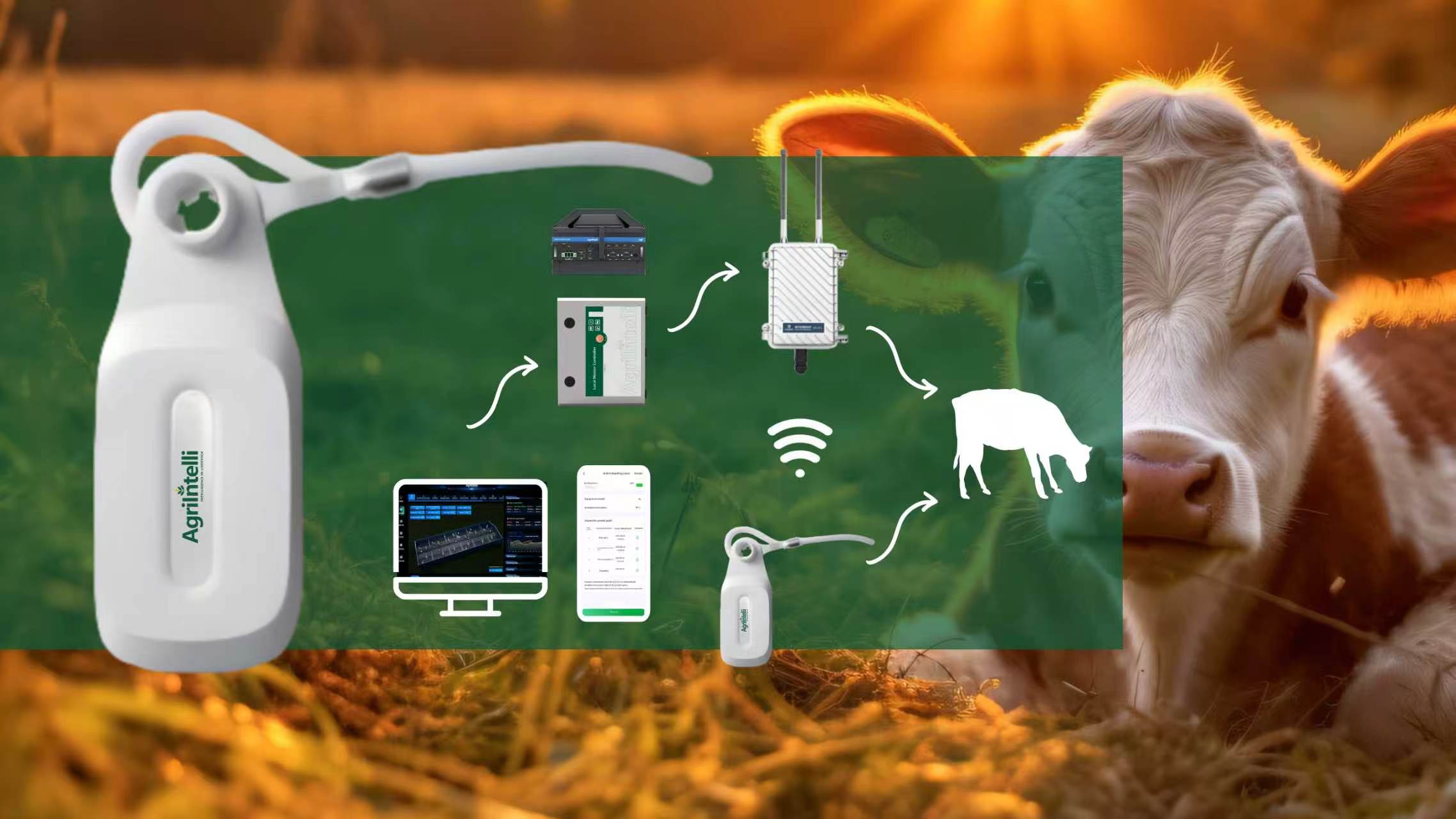
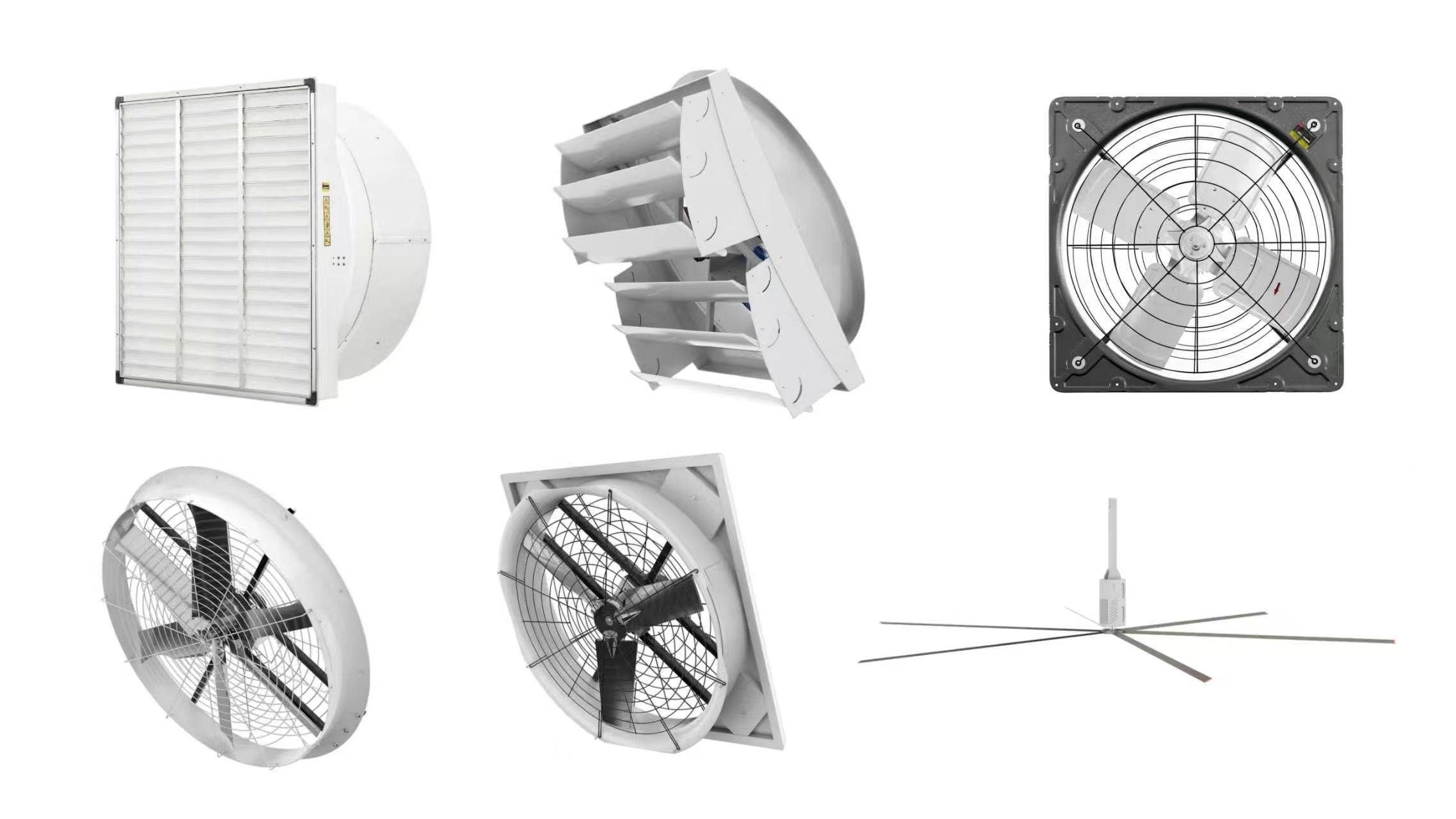
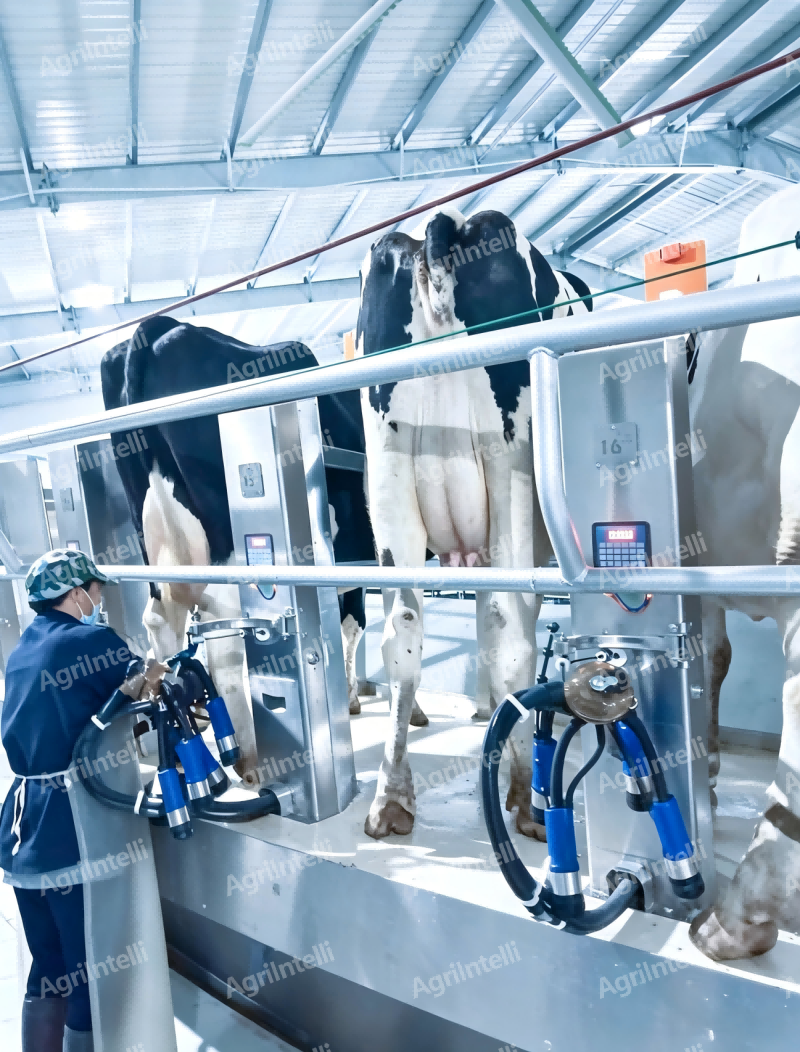
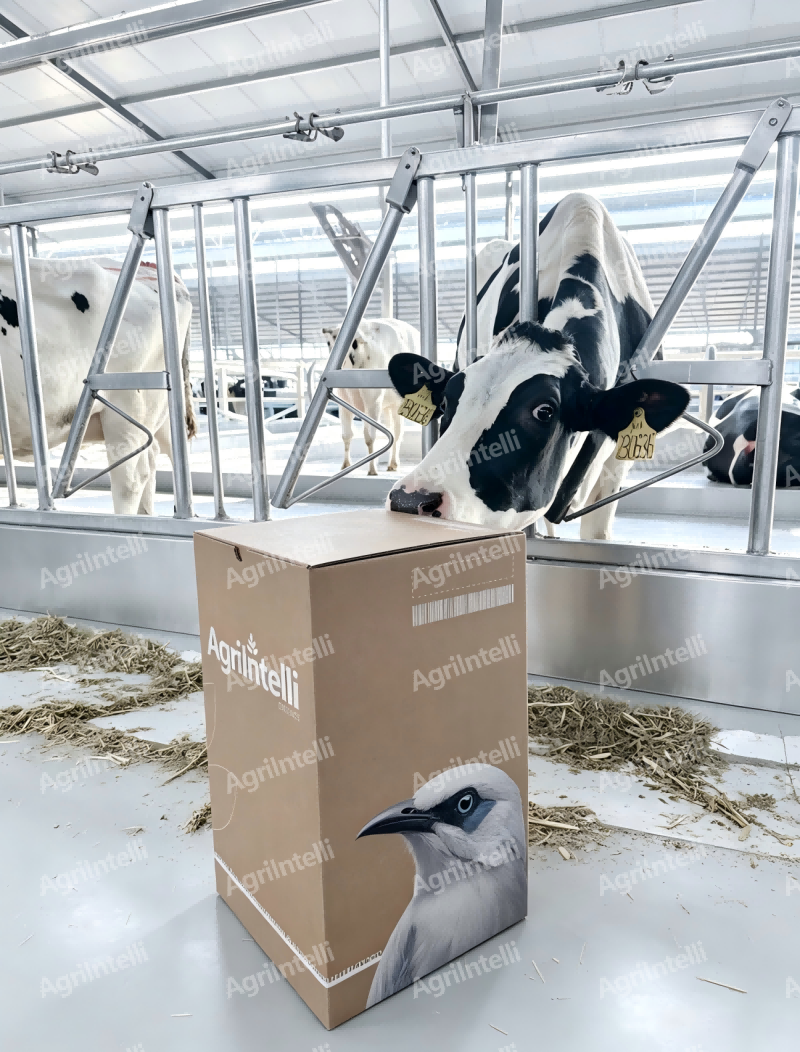
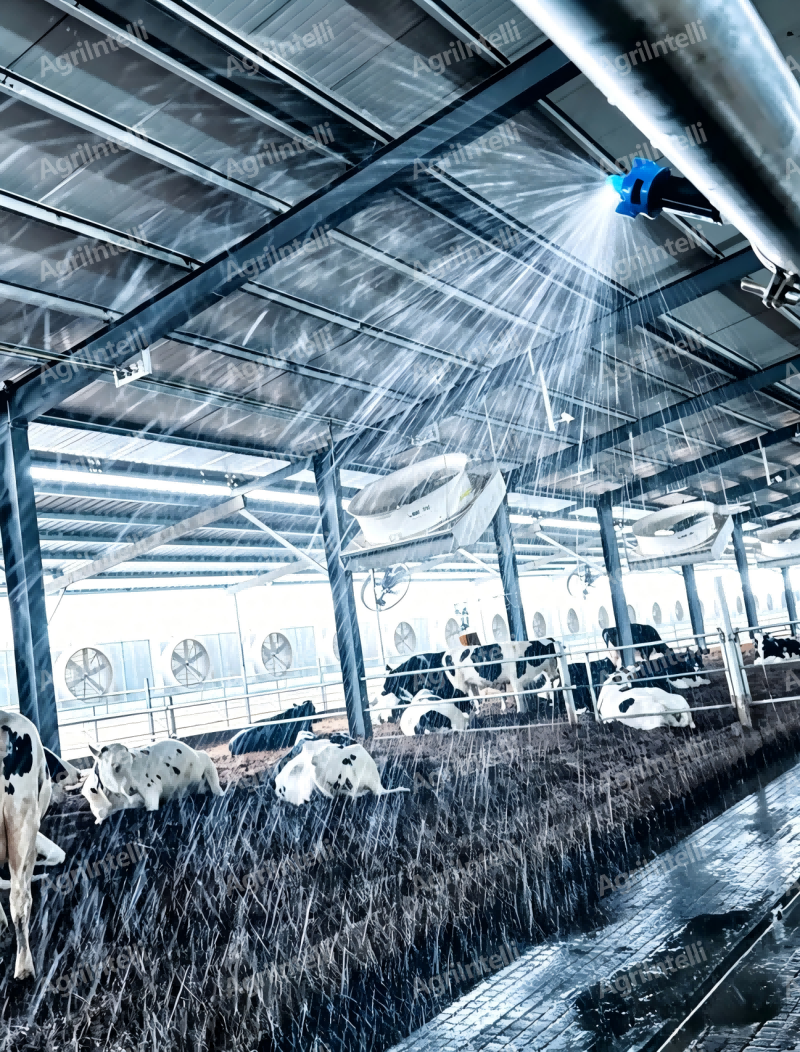
By leveraging IoT + Big Data + AI + Edge Computing technologies and integrating them with actual ranch environmental conditions, we are able to manage ranches in a more timely, accurate, and comprehensive manner through the Smart Ranch Cloud Platform, supported by targeted spraying, intelligent environmental control, smart energy management, and automatic feed-pushing robots. The system intelligently regulates and controls the operation of equipment such as lighting, roller curtain systems, fans, spraying systems, manure scrapers, and automatic feed pushers — ensuring a safe, sustainable, and dynamically balanced ranch environment, while providing cows with a comfortable living space